Have you ever seen a lion with a thick, dark mane that reaches all the way down its belly? If so, you are looking at the legendary barbary lion. These lions are not your average big cats. While most lions love the hot African plains, the barbary lion was the king of the chilly Atlas Mountains in North Africa. Because they lived in colder areas, they grew much thicker fur than their cousins. Many people call them “Atlas Lions” because of their home. Sadly, you cannot find a wild barbary lion roaming the mountains anymore. They are considered extinct in the wild, but their story is still very exciting to learn.
What Did a Barbary Lion Look Like?
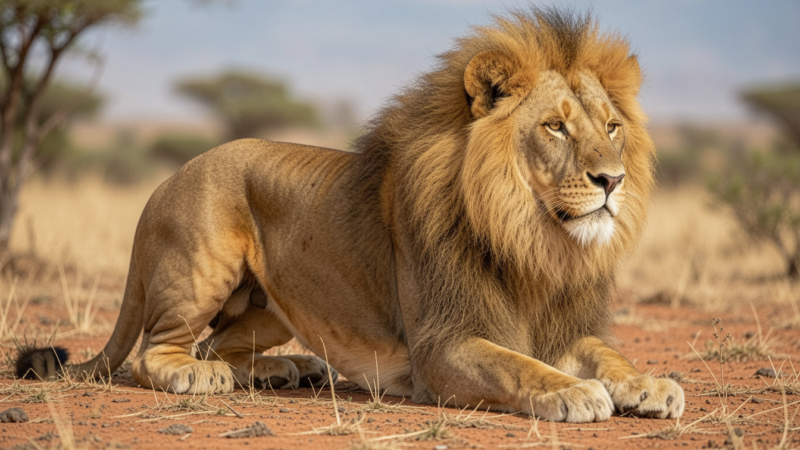
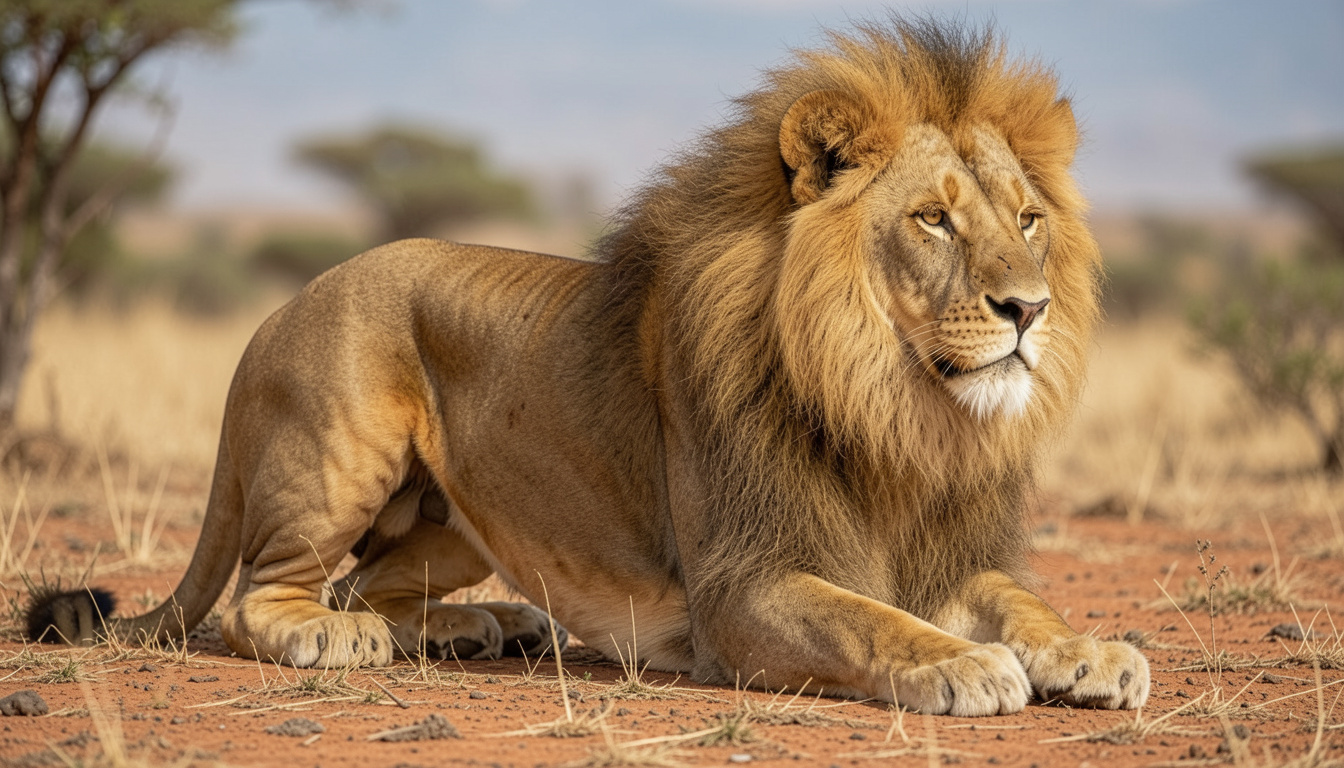
The barbary lion was truly a giant among cats. One of the coolest things about them was their size. Some scientists believe they were much heavier than the lions we see today in the Serengeti. A male barbary lion could weigh over 500 pounds! Their most famous feature was the mane. It wasn’t just around their neck; it was huge and dark, covering their chest and stomach. This thick hair helped keep them warm in the snowy mountain winters. Their eyes were often a piercing amber color, making them look very royal and powerful as they watched over their rocky kingdom.
Where Did the Barbary Lion Live?
The home of the barbary lion was very different from the sandy deserts you might imagine. They lived across North Africa in places like Morocco, Algeria, and Tunisia. These areas have high mountains called the Atlas Mountains. The barbary lion liked the forests and shrublands found high up in these peaks. Instead of hunting in wide-open grasslands, they had to be experts at climbing and moving through trees. They shared their home with other mountain animals. It was a rugged life, but the barbary lion was perfectly built to be the top predator in this unique environment.
Barbary Lion Quick Facts Table
| Feature | Description |
| Common Name | Barbary Lion (Atlas Lion) |
| Scientific Name | Panthera leo leo |
| Weight | 400 to 600 lbs (Males) |
| Length | Up to 10 feet long |
| Habitat | Mountains and Forests of North Africa |
| Current Status | Extinct in the wild |
| Key Feature | Massive, dark mane reaching the belly |
What Did the Barbary Lion Eat?
Like all big cats, the barbary lion was a carnivore, which means it only ate meat. Since they lived in the mountains, they hunted different animals than African lions do today. Their favorite meals included Barbary stag and wild boar. Sometimes, a hungry barbary lion would even hunt mountain goats. They were very strong and used their powerful muscles to pounce on prey in the rocky terrain. Because food could be harder to find in the mountains than on the plains, the barbary lion had to be a very patient and smart hunter to survive.
The History of the Barbary Lion and Humans
Humans have been fascinated by the barbary lion for thousands of years. Long ago, the Romans would capture these lions and bring them to the Colosseum. They wanted the biggest, scariest-looking lions for their shows, and the barbary lion fit that description perfectly. Later on, kings and queens in Europe kept them in private zoos called menageries. Because the barbary lion looked so impressive, it became a symbol of royalty. You can even see them on many flags and coats of arms today. People always saw them as the ultimate version of a brave and strong king.
Why Did the Barbary Lion Disappear?
It is very sad to think about, but the barbary lion vanished from the wild about 100 years ago. There are a few reasons why this happened. First, as more people moved into the mountains, they took over the land where the lions lived. Second, people hunted the barbary lion because they were afraid of them or wanted their beautiful fur. The very last wild barbary lion was seen in Morocco in the early 1920s. Without enough space to live and too much hunting, these amazing cats simply couldn’t survive in their natural mountain home anymore.
Are There Any Barbary Lions Left Today?
Even though they are gone from the wild, the barbary lion might still be around in a way. Some lions living in zoos today are thought to be descendants of the royal lions of Morocco. These “palace lions” were kept by the King of Morocco, and their babies were sent to zoos all over the world. While they might be mixed with other types of lions, many show the famous features of a barbary lion, like the huge mane. Scientists are even using DNA tests to see if they can find a pure barbary lion among these zoo animals today.
How the Barbary Lion Handled the Cold
Most lions love to bask in the hot sun, but the barbary lion was built for the chill. The Atlas Mountains can get very cold and even have snow in the winter. To stay warm, the barbary lion developed a slower metabolism than other lions. This helped them save energy when it was freezing outside. Their thick mane acted like a heavy winter coat, protecting their neck and belly from the biting mountain wind. It is amazing how nature can change an animal to help it live in such a tough and cold place like the mountains.
The Social Life of a Barbary Lion
We usually think of lions living in big groups called prides. However, the barbary lion was a bit more private. Because they lived in the mountains where prey was spread out, they lived in smaller groups or even alone. A male and female barbary lion might stay together, but they didn’t have the massive families seen in the savanna. This made them more mysterious and harder for people to track. Even though they were solitary, the barbary lion still communicated with loud roars that could echo for miles through the deep mountain valleys.
Why We Should Remember the Barbary Lion
The story of the barbary lion is a very important lesson for us today. It reminds us that even the strongest animals can disappear if we don’t protect them and their homes. By learning about the barbary lion, we can understand why it is so important to save the lions that are still alive today. This cat was a masterpiece of nature, perfectly adapted to the cold mountains. Keeping the memory of the barbary lion alive helps us become better at taking care of our planet and all the wonderful creatures that live on it with us.
Frequently Asked Questions
1. Is the Barbary lion the biggest lion?
Yes, many experts believe the barbary lion was the largest of all lion subspecies. They were very heavy and long because of their mountain lifestyle.
2. Can I see a Barbary lion at the zoo?
You can see lions that look like them! Some zoos, especially in Rabat, Morocco, have lions that are descendants of the original barbary lion line.
3. Why is their mane so dark?
The dark mane of the barbary lion is thought to be caused by the cooler temperatures and the unique environment of the Atlas Mountains where they evolved.
4. Did Barbary lions live in the desert?
Actually, no! The barbary lion preferred the forests and snowy peaks of the mountains rather than the hot, dry Sahara Desert.
5. What is another name for the Barbary lion?
They are very commonly called the “Atlas Lion” because they lived in the Atlas Mountain range of North Africa.
6. Can we bring the Barbary lion back to the wild?
It is a dream for many! Scientists are studying the DNA of zoo lions to see if they can eventually reintroduce a barbary lion type back to North Africa
Conclusion: Honoring the King
The barbary lion will always be remembered as one of the most magnificent animals to ever walk the Earth. From their giant manes to their lives in the snowy mountains, they were truly special. While we can’t see a barbary lion in the wild today, we can still support conservation efforts for all big cats. Learning about them helps us appreciate the beauty of wildlife and the importance of protecting nature.