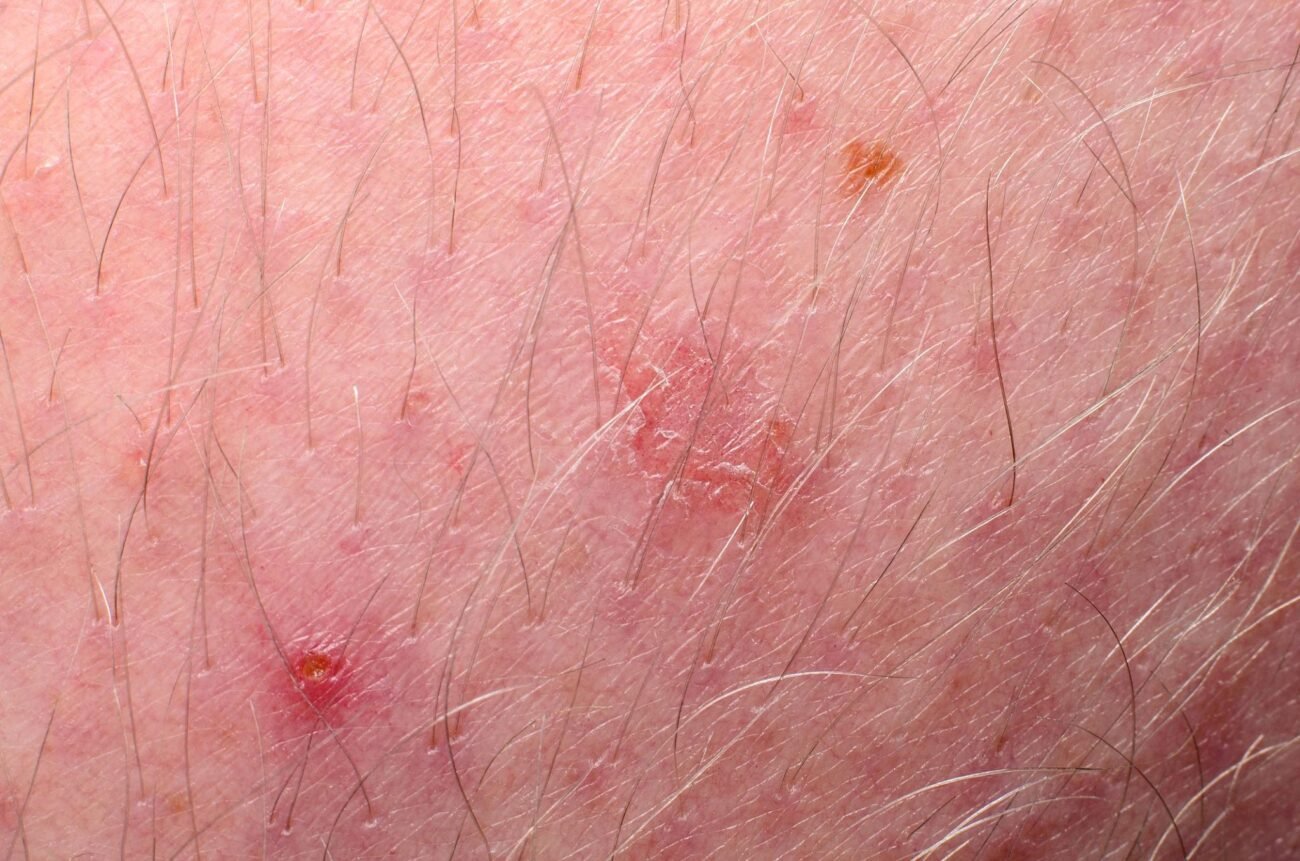
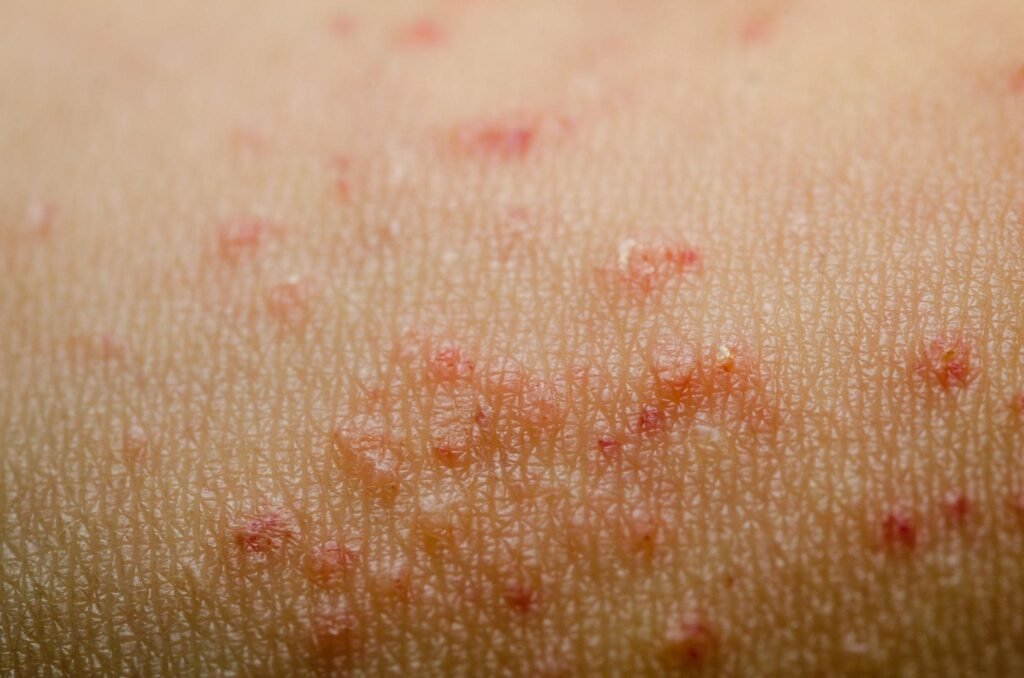
Tacroz (tacrolimus 0.1% cream/ointment) is a topical immunomodulating treatment commonly used for inflammatory skin conditions such as eczema (atopic dermatitis). Unlike corticosteroids, tacrolimus works without causing skin thinning, which makes it particularly valuable for long-term management and use on sensitive skin areas.
Because of its steroid-sparing properties, tacrolimus has become an important option in modern dermatology for patients who require ongoing inflammation control.
What Tacroz Is Used For
Tacroz is primarily prescribed for:
- Atopic dermatitis (eczema)
- Chronic inflammatory skin flare-ups
- Sensitive areas such as the face, eyelids, and neck
It is often recommended when standard topical steroids:
- Cause irritation
- Become less effective
- Are not suitable for long-term use
For a detailed overview of application methods, strengths, and treatment expectations, see this guide on how Tacroz (tacrolimus 0.1%) cream is used for eczema and inflammatory skin conditions:
tacroz tacrolimus 0.1% cream usage guide
How Tacrolimus Works
Tacrolimus belongs to a class of medications called calcineurin inhibitors. It works by suppressing overactive immune responses in the skin.
This helps:
- Reduce inflammation
- Decrease redness and itching
- Prevent flare-up progression
Unlike topical steroids, tacrolimus does not significantly affect collagen production, which lowers the risk of skin thinning during prolonged treatment.
Why Tacrolimus Is Often Used on Sensitive Areas
One of the major advantages of tacrolimus therapy is its suitability for delicate skin regions.
These commonly include:
- Eyelids
- Around the mouth
- Neck folds
- Facial eczema
Long-term steroid use in these areas may increase the risk of:
- Skin atrophy
- Visible blood vessels
- Increased skin fragility
Tacrolimus provides an alternative option for chronic management where steroid exposure needs to be minimized.
Treatment Expectations
Most patients experience:
- Reduced itching within days
- Gradual improvement in redness and irritation
- Fewer eczema flare-ups over time
However, consistent use is often necessary during active inflammation.
In many treatment plans, tacrolimus is used:
- During flare-ups
- As maintenance therapy
- Alongside moisturizers and barrier repair products
Common Side Effects
The most common temporary side effects include:
- Burning sensation
- Warmth or tingling after application
- Mild skin irritation
These reactions are usually strongest during the first few days of treatment and often improve as the skin adapts.
Proper Application Guidelines
Typical recommendations include:
- Apply a thin layer to affected areas
- Use twice daily unless otherwise directed
- Avoid applying on infected skin areas
Good skincare support is also important:
- Gentle cleansers
- Regular moisturization
- Avoiding known triggers
Long-Term Management of Eczema
Atopic dermatitis is often a chronic condition influenced by:
- Genetics
- Environmental triggers
- Skin barrier dysfunction
- Immune activity
Because of this, long-term management usually requires:
- Trigger avoidance
- Consistent hydration
- Anti-inflammatory treatment during flare-ups
Tacrolimus is commonly integrated into maintenance routines to reduce steroid dependence.
Clinical Information
For medically reviewed information on tacrolimus and topical calcineurin inhibitor therapy, see this clinical overview of tacrolimus topical treatment and safety:
tacrolimus topical therapy clinical overview
Conclusion
Tacroz (tacrolimus 0.1%) cream is an effective non-steroidal treatment for eczema and inflammatory skin conditions, especially in sensitive areas where long-term steroid use may not be ideal.
With consistent use and proper skincare support, it can help reduce flare-ups, control itching, and improve overall skin comfort over time.
